
Proven across petrochemical, mining, and pharmaceutical industries
Advanced Electrochemical Wastewater Treatment for High-Strength Industrial Effluents
Enabling compliance, water reuse, and Zero Liquid Discharge (ZLD) through proven boron-doped diamond (BDD) technology, designed for complex, non-biodegradable wastewater.
Handles high-COD and toxic wastewater streams
Modular, scalable, and integration-ready
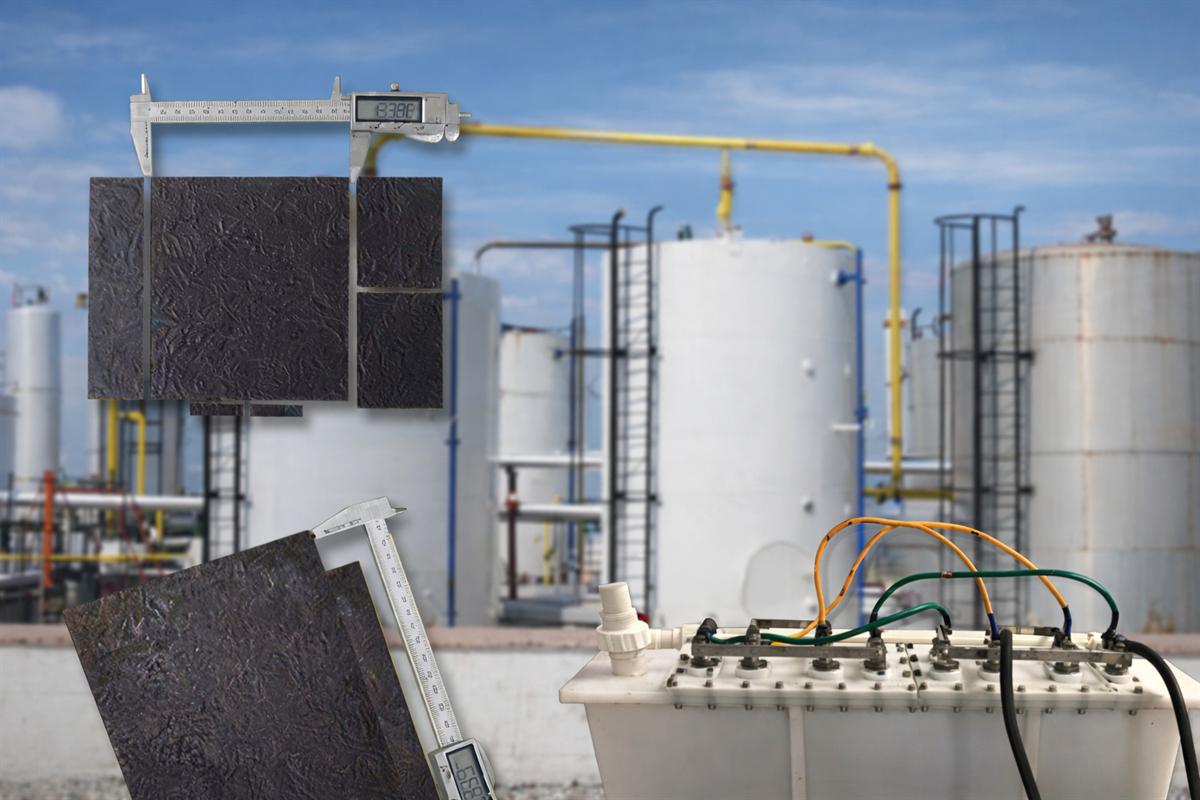
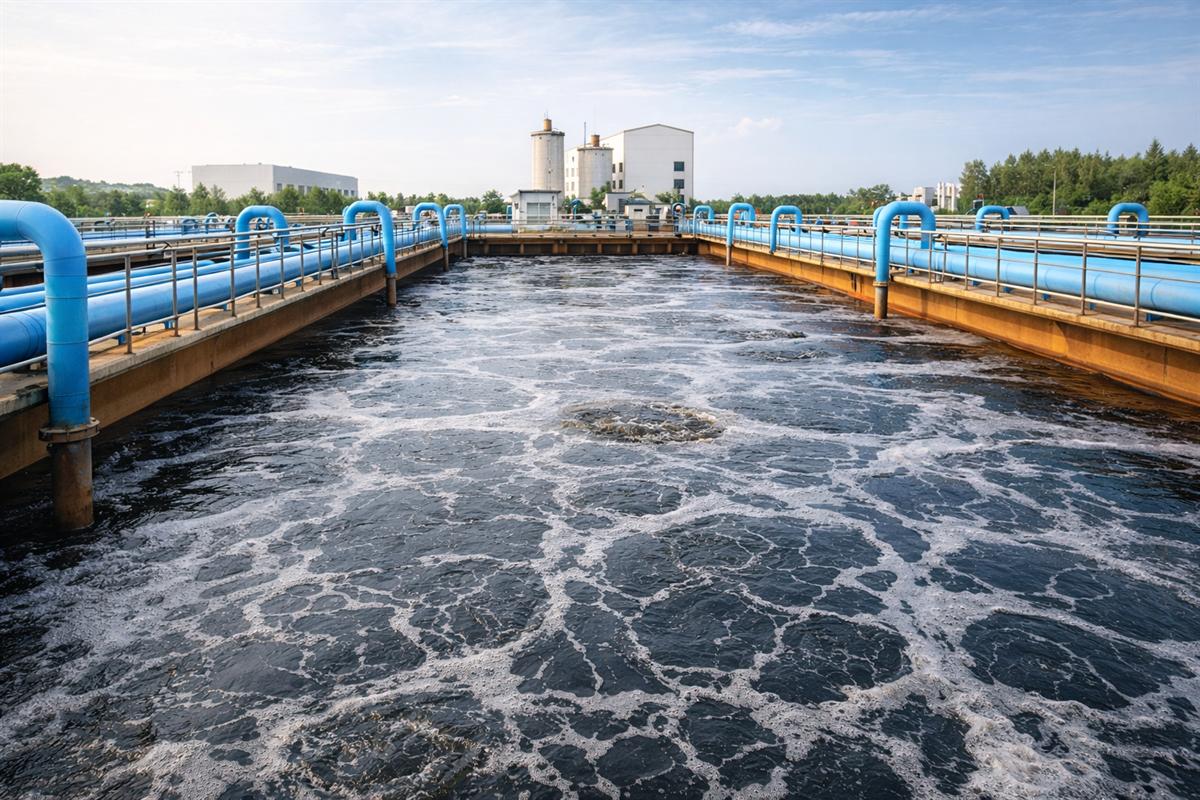
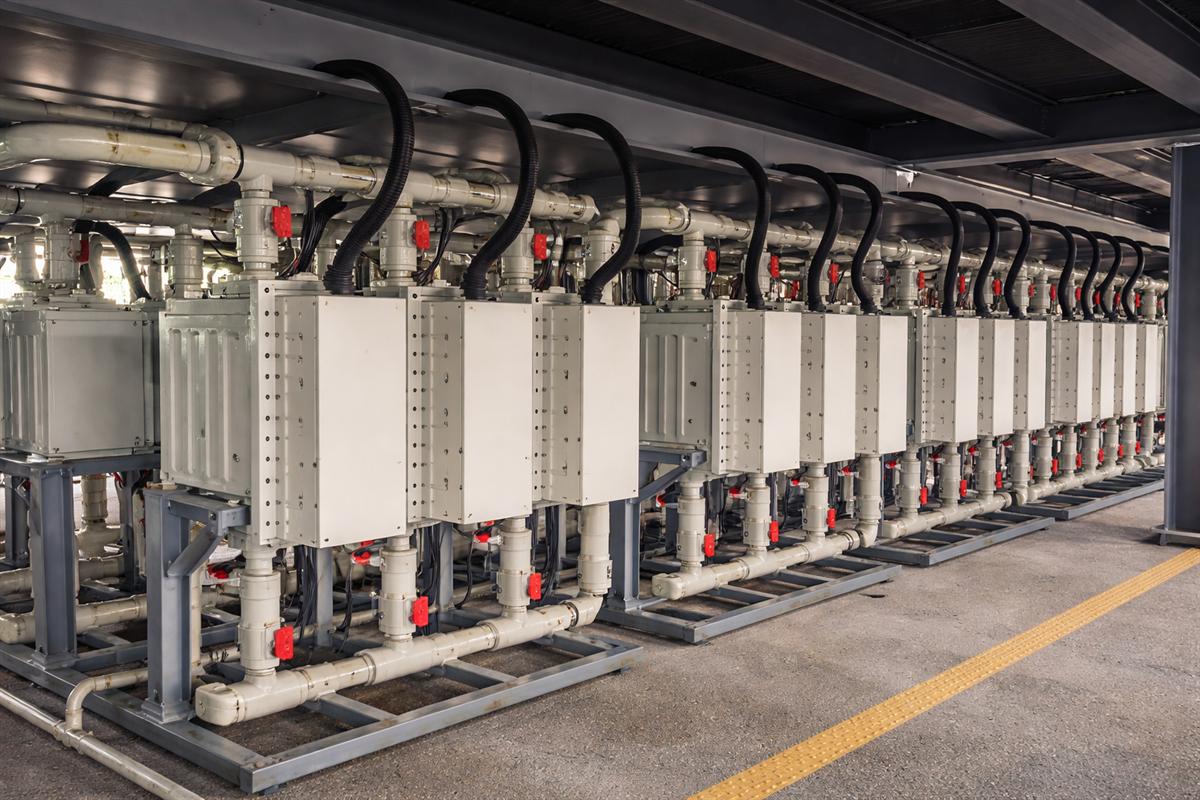
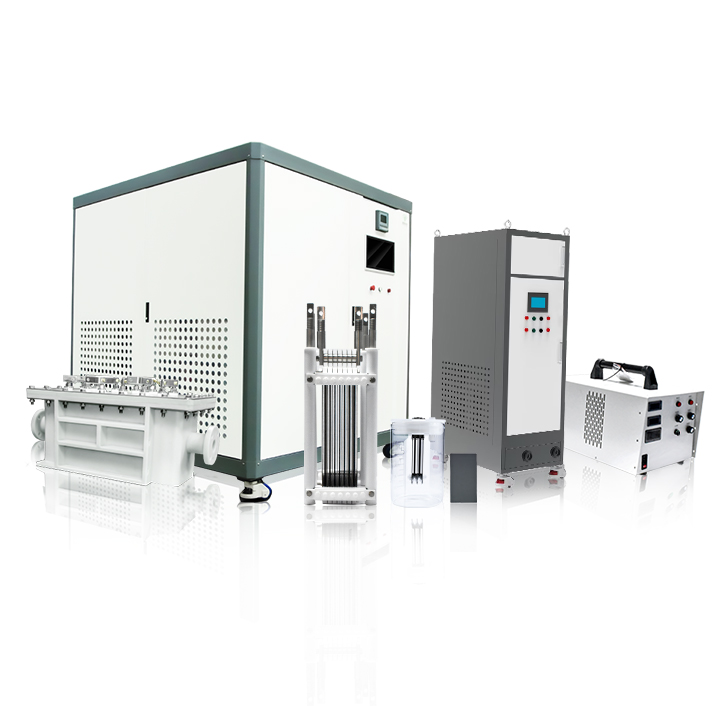
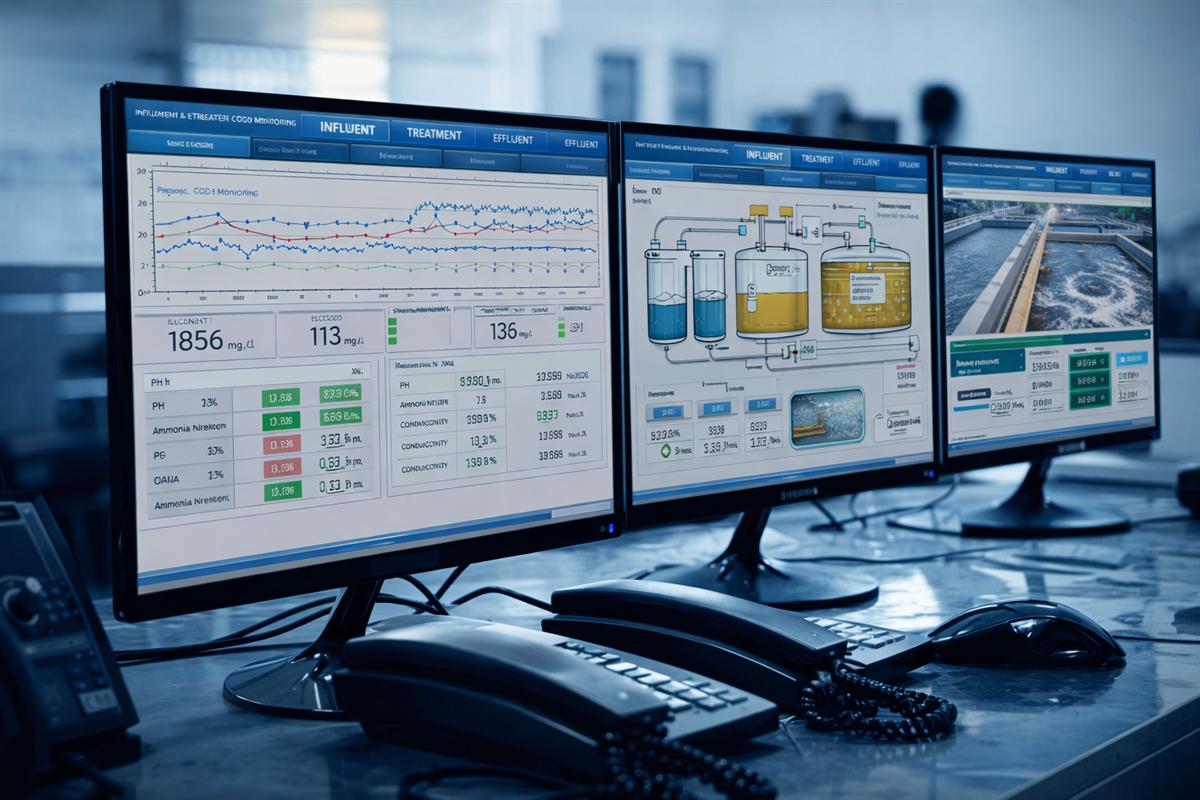
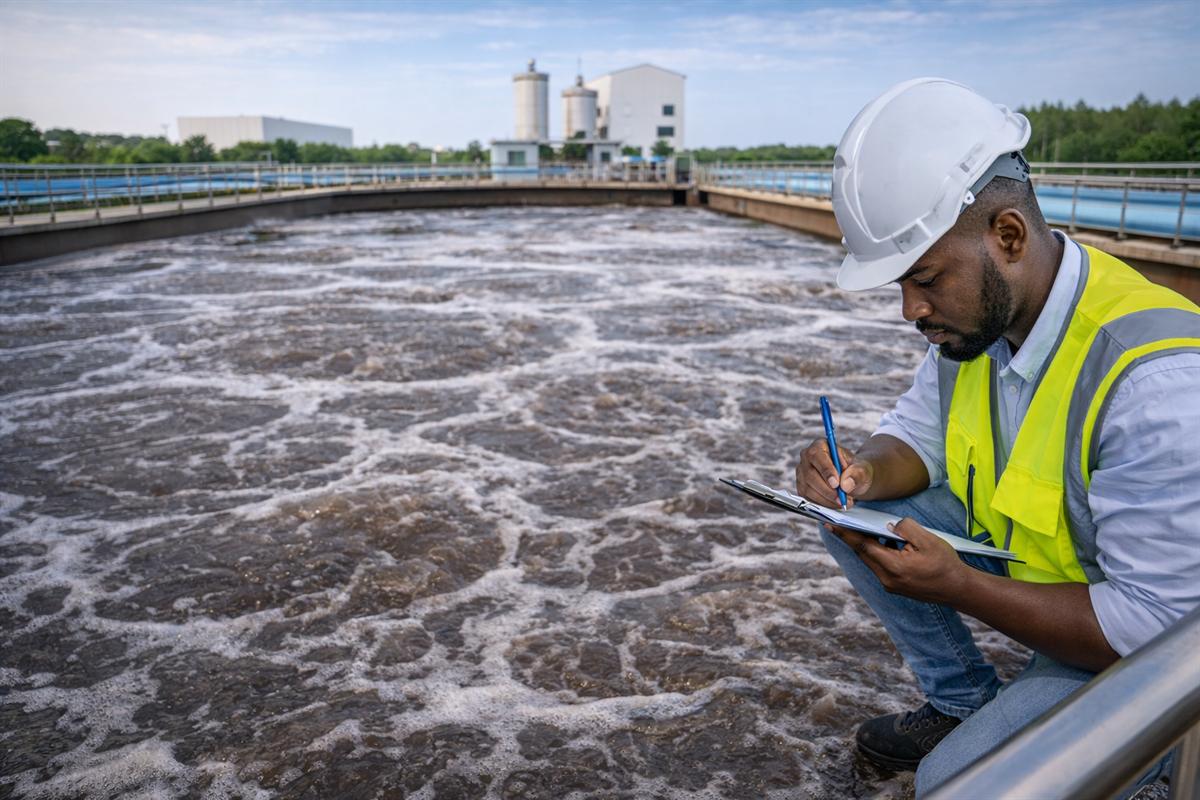
Industrial Wastewater Is Getting Harder to Treat
Traditional treatment systems struggle with:
High COD and toxic organic compounds
Poor biodegradability
Increasing discharge regulations
Rising chemical and disposal costs
For many operations, existing systems are no longer sufficient to meet compliance or reuse targets.
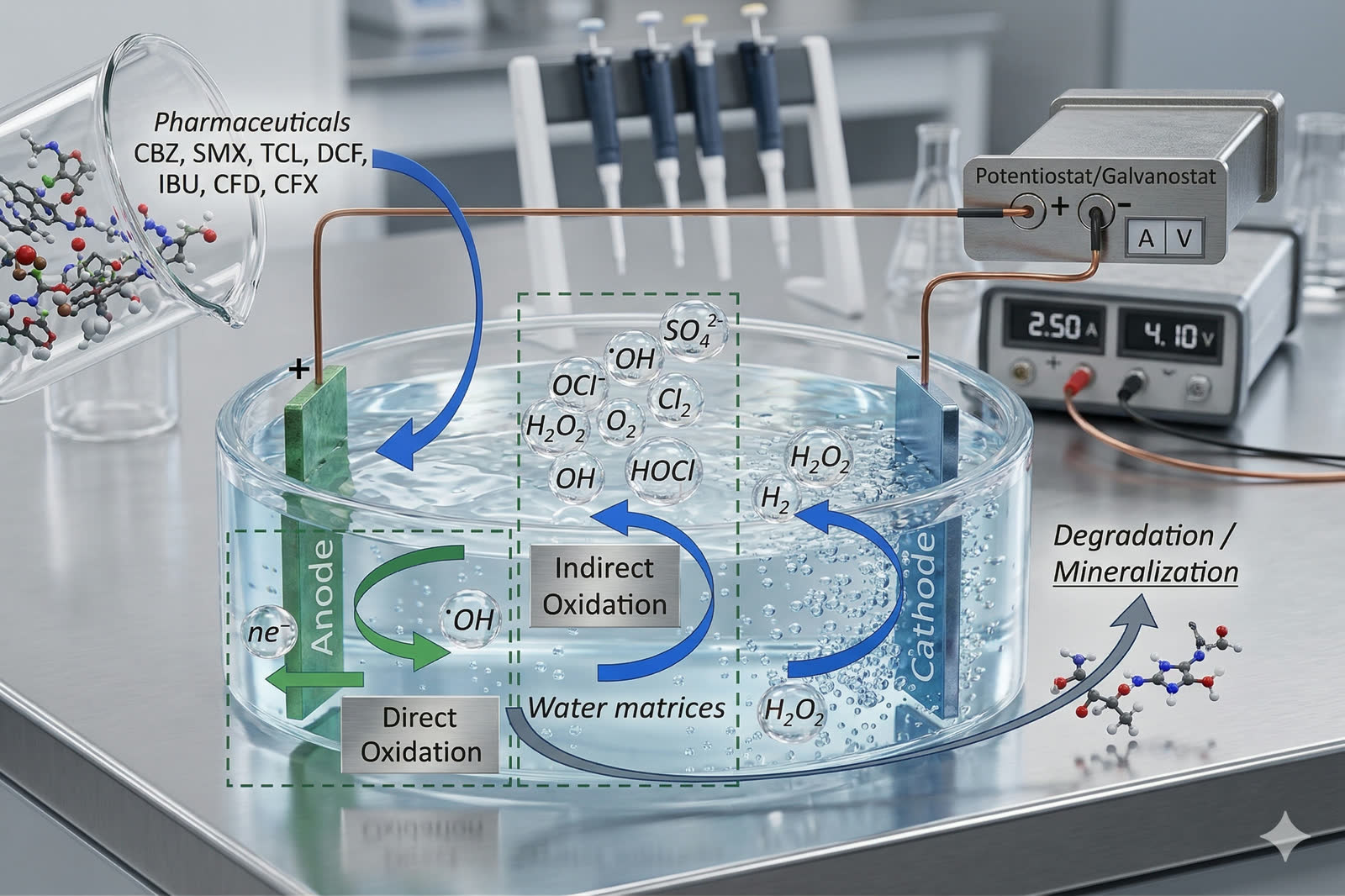
A Proven Alternative to Conventional Treatment
Our BDD electrochemical systems break down complex organic pollutants at a molecular level—without reliance on chemical dosing.
Designed for industrial environments, the technology enables:
- Deep oxidation of persistent contaminants
- Stable performance across variable wastewater conditions
- Reduced reliance on chemicals and consumables
Engineered for High-Performance Industrial Treatment
Effective treatment of COD levels from moderate to extremely high concentrations
Proven across multiple industrial sectors and wastewater types
Capable of meeting discharge, reuse, and ZLD requirements
Designed for continuous operation in industrial environments
Applications Across High-Impact Industries
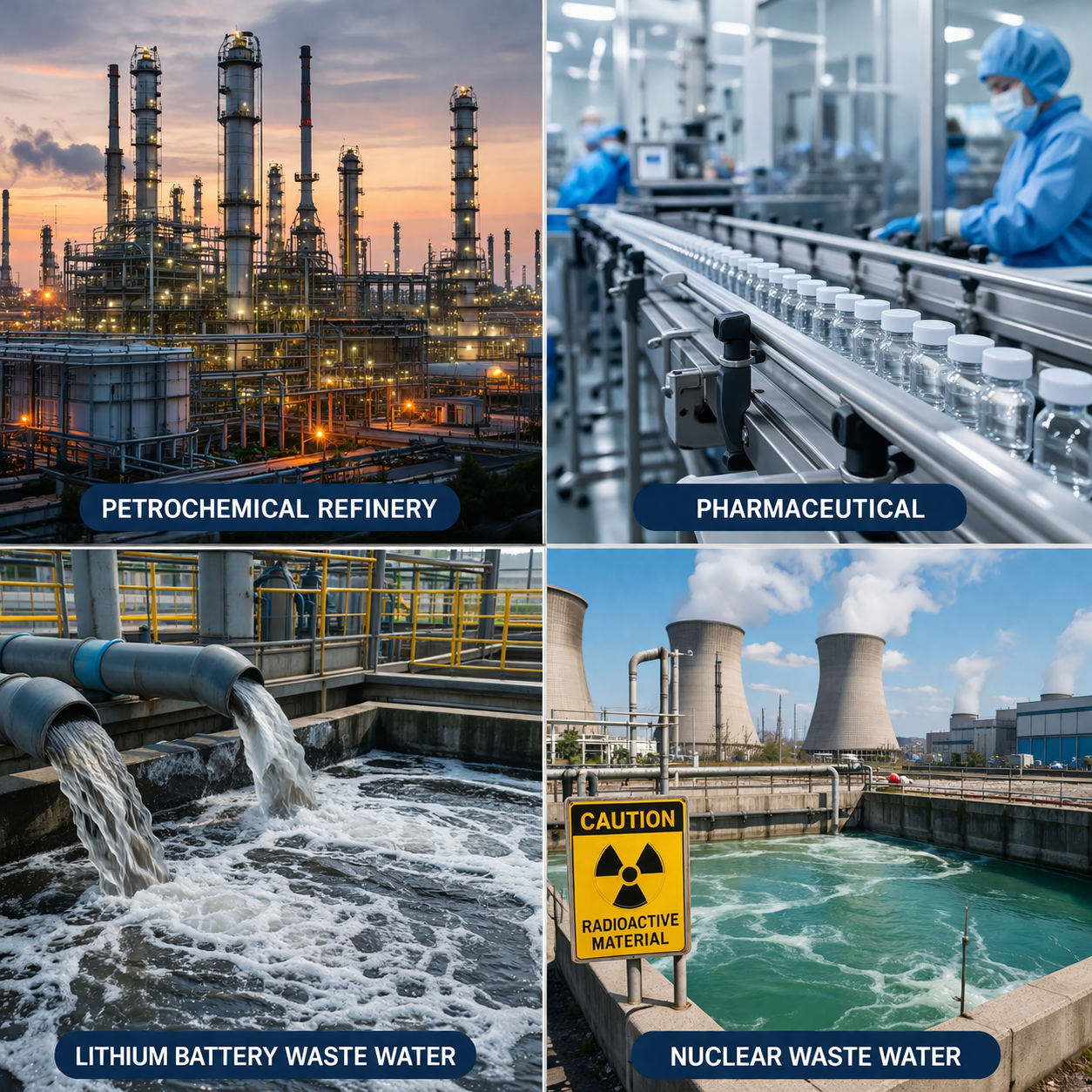
Our systems are deployed in industries where wastewater is complex, toxic, or difficult to treat:
Mining and metallurgy
Petrochemical and chemical processing
Pharmaceutical manufacturing
Energy and industrial production
Agro-processing and advanced materials
Flexible Integration. Scalable Design.
BDD systems can be deployed as:
- A standalone treatment solution
- A polishing step for existing plants
- A pre-treatment stage to improve downstream processes
The modular design allows for easy scaling from pilot projects to full industrial deployment.

Designed for Long-Term Operational Efficiency
No chemical consumables required
Predictable, electricity-based operating costs
Long electrode lifespan (multi-year operation)
Reduced environmental and compliance risk
A Practical Partner for Industrial Water Challenges
We focus on delivering technically sound, commercially viable solutions tailored to real-world industrial conditions.
Our approach is built on:
- Application-specific system design
- Alignment with client operational requirements
- Structured project development from pilot to scale
Partners powering water innovation
We collaborate with major sectors to deliver advanced water treatment and recovery solutions. See some of the organizations we support.
Coming soon
Coming soon
200K
Cubic meters treated
100%
Discharged
1,600
Tonnes recovered resources
FAQ
Which sectors use your solutions?
We serve mining, petrochemical, pharmaceutical, energy, and advanced manufacturing industries wherever complex wastewater and strict compliance requirements exist.
What types of wastewater can BDD treat?
BDD systems handle highly complex and toxic wastewater, including high COD streams, chemical waste, RO concentrate, and industrial effluents with poor biodegradability.
How effective is the treatment?
BDD technology significantly reduces COD and organic pollutants, often from extremely high levels down to discharge or reuse standards depending on system design.
What are the operating costs?
Operating costs are primarily electricity-based, with no chemical consumables required, making performance predictable and easier to manage.
What is the typical capital cost?
Capital cost depends on wastewater composition and scale, with systems engineered to match each project's treatment requirements and performance targets.
How scalable is the system?
The system is modular and can be scaled from pilot units to larger industrial plants by adding parallel treatment modules.
Can it integrate with existing systems?
Yes. BDD can be added to existing treatment plants as a polishing or advanced treatment stage to improve performance and meet stricter standards.
What results can clients expect?
Clients can expect reliable treatment performance, improved compliance outcomes, and stronger water reuse potential while reducing environmental risk.
Can the BDD technology remove hazardous compounds such as Arsenic ions and lead ions?
BDD technology does not directly remove heavy metals such as arsenic or lead from water. These are elemental contaminants, so they cannot be destroyed through oxidation.
What BDD does very effectively is act as a pre-treatment step, for example, it converts arsenic into a form that is much easier to remove using conventional processes like iron coagulation.
For lead, removal is typically achieved through established methods such as chemical precipitation or filtration.
So, in practice, BDD is used as part of an integrated treatment system, where it enhances overall treatment efficiency, especially when complex or toxic compounds are also present.
The real strength of BDD is in destroying organic pollutants and toxic compounds like cyanide or pharmaceuticals. When it comes to heavy metals, it supports the process rather than replacing conventional removal methods.
Start with Data. Move with Confidence.
Every wastewater challenge is different. We provide technical insight and realistic system expectations to support informed decision-making.
General Enquiries
Primary shared inbox for website, technical, and project enquiries
info@adamasaqua.com
CEO Contact
Jean-Erik Diederiks | CEO and Founder
COO
Righardt | Chief Operating Officer
Righardt@adamasaqua.com
Address
Botswana Head Office
Gaborone, Botswana H/O
Pilot Address
Cape Town, South Africa
Data Pack & Consultation
Request technical background material or book a technical discussion